
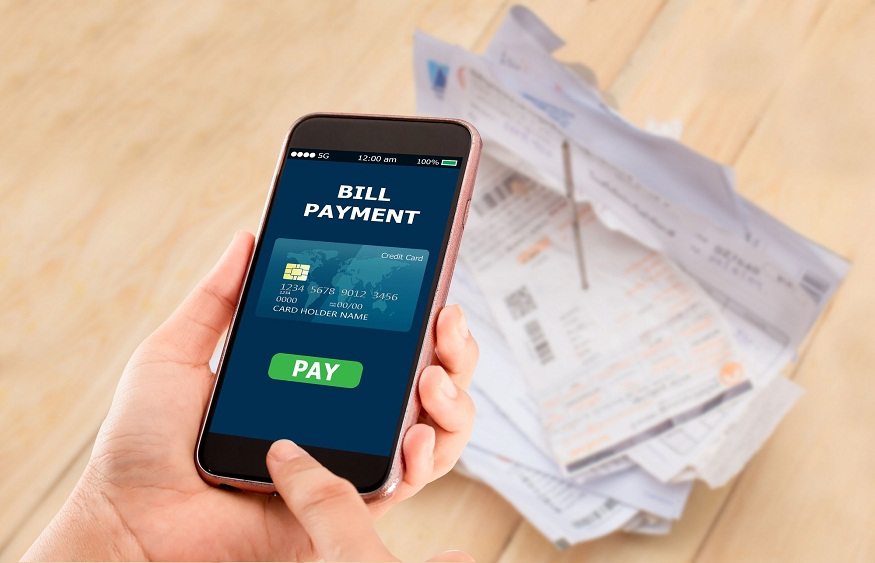
The modern world is constantly looking for ways to become more sustainable. While large scale changes like solar farms and wind turbines are vital, small daily habits also play a significant role. One of the most effective shifts involves moving away from traditional paper based systems toward digital alternatives.
Every month, millions of households receive physical statements in the mail. This process consumes vast amounts of resources before the bill even reaches your front door. By choosing a digital path, you are participating in a global movement to reduce waste and protect our natural landscapes.
Transitioning to digital systems is not just about convenience. It is about understanding the hidden costs of our old habits. When we look at the lifecycle of a standard bill, we see a trail of carbon emissions and waste that can be easily avoided with a few clicks on a screen.
Eliminating the Need for Physical Paper
The most obvious benefit of switching to an online bill payment system is the reduction in paper waste. For decades, the standard method of billing involved printing multiple pages, stuffing them into envelopes, and adding a return slip. When you multiply this by millions of customers, the environmental cost becomes staggering.
Read More : The Ecosystem of Ease: How Bill Payments Evolved into a Digital Habit
Producing paper requires cutting down trees, which are essential for absorbing carbon dioxide from the atmosphere. Beyond the loss of trees, the paper industry uses massive amounts of water and energy during the manufacturing process. When you opt for a digital statement, you help preserve forests and keep water in our natural ecosystems. This simple choice helps maintain the biodiversity that depends on healthy forests to survive.
Cutting Down on Transportation Emissions
Think about the journey a paper bill takes. It starts at a printing facility, moves to a sorting center, and is then driven to your home by a delivery truck. If you choose to pay by mail, the process repeats in reverse. If you drive to a physical location to make your electric bill payment, you are adding even more carbon emissions to the air.
Digital transactions happen instantly over existing internet infrastructure. This removes the need for heavy vehicles to crisscross neighborhoods just to deliver a piece of paper. By handling your finances from a computer or smartphone, you effectively remove your share of transportation related pollution from the monthly billing cycle. Every avoided trip to the post office or payment center contributes to cleaner air in your local community.
Reducing Industrial Waste and Chemicals
Paper and ink are not just about wood and water. The printing process involves various chemicals, including bleaches to make paper white and petroleum based inks for the text. These substances can be harmful to the environment if they are not managed correctly during production or disposal.
Envelopes often feature plastic windows that make them harder to recycle. When these items end up in landfills, they take years to break down and can leach chemicals into the soil. Moving to an online bill payment model eliminates the demand for these industrial materials entirely. It is a clean way to manage your household responsibilities without leaving a chemical footprint. By reducing the demand for these products, you encourage industries to adopt cleaner manufacturing standards.
Energy Efficiency in Digital Infrastructure
Maintaining physical offices for bill collection requires a lot of energy. These buildings need lighting, heating, and cooling throughout the day. They also require staff to commute to work, further increasing the environmental load. While data centers that power digital payments do use electricity, they are becoming increasingly efficient.
Modern servers can handle millions of transactions with a fraction of the energy required to run a network of physical payment centers. Many technology companies are also committed to using renewable energy to power their operations. This means your electric bill payment is processed using cleaner energy than the traditional manual methods of the past. Furthermore, the transition to digital records reduces the need for massive physical archives. Storing paper records requires climate controlled warehouses that consume power around the clock. Digital storage is far more compact and energy dense, making it the superior choice for a planet with limited resources.
Encouraging Mindful Energy Consumption
Digital platforms often provide more than just a way to send money. They give you access to detailed charts and history regarding your energy use. When people can see exactly how much power they consume each day, they are more likely to make changes to save energy.
Read More : How Insurance Apps Are Embedding Themselves Into India’s Daily Payment Flows
This awareness leads to a secondary environmental benefit. By monitoring your usage through an online bill payment portal, you might notice that your air conditioner is running too often or that certain appliances are inefficient. This data empowers you to reduce your overall electricity consumption, which is the ultimate goal for a greener planet. When consumers have the right information at their fingertips, they make better choices for their wallets and the environment. It turns a passive monthly chore into an active opportunity for conservation.
The Cumulative Effect of Small Changes
The transition to digital billing is a prime example of how technology can simplify our lives while protecting the earth. It is a low effort change that yields high impact results over time. As more people move away from paper, the cumulative savings in trees, water, and fuel will continue to grow.
Taking a few minutes to set up your account for digital notifications is a small step with a big purpose. It aligns your monthly routine with a more sustainable lifestyle. By embracing these digital tools, we can all contribute to a cleaner and more efficient future for everyone. The collective power of millions of people making this switch creates a massive positive shift for the global environment. It proves that we do not always need radical changes to make a meaningful difference.
 Complete Trekking Guide to Langtang and Annapurna
  Trek Nepal’s Four Great Regions: Annapurna, Langtang, Manaslu, and Nar Phu:
  The Ecosystem of Ease: How Bill Payments Evolved into a Digital Habit
  How Insurance Apps Are Embedding Themselves Into India’s Daily Payment Flows